


Wenn Ihr Teichwasser trüb wirkt, sich Fische an der Oberfläche sammeln oder das Algenwachstum zunimmt, leidet Ihr Teich möglicherweise unter Sauerstoffmangel. Eine angemessene Belüftung ist eine der effektivsten Methoden, um Ihren Teich sauber, gesund und voller Leben zu halten. Ob es sich um einen kleinen Gartenteich oder ein großes dekoratives Wasserspiel handelt, zu lernen, wie man einen Teich belüftet, ist absolut unerlässlich für die langfristige Erhaltung der Wasserqualität.
Viele Hausbesitzer nutzen heute moderne Hilfsmittel zur Wasserbewegung – wie Poposoap-Solarbrunnen, Teichfilter und Wasserfall-Sets –, um die Zirkulation aufrechtzuerhalten, ohne stark auf Elektrizität angewiesen zu sein. Solche Lösungen spiegeln die Markenmission von Poposoap wider: Nutzern dabei zu helfen, „kleine Momente der Freude im Garten zu schaffen und gleichzeitig die Welt, die wir teilen, zu schützen.“
Alles, was Sie darüber wissen müssen, warum Teichbelüftung wichtig ist, wie man einen Teich effektiv belüftet und welche Systeme die beste Arbeit leisten, finden Sie in diesem detaillierten Leitfaden.
Einführung: Warum Teichbelüftung wichtig ist
Belüftung ist ein Prozess zur Erhöhung des Sauerstoffgehalts und zur Verbesserung der Wasserzirkulation. Sauerstoff ist wichtig für einen gesunden Teich aufgrund:
- Des Überlebens von Fischen und Wassertieren
- Der Aktivität nützlicher Bakterien
- Der Kontrolle des Algenwachstums
- Der Vorbeugung von üblen Gerüchen und Schlammbildung
- Der Unterstützung eines ausgeglichenen Teich-Ökosystems
Ohne ordnungsgemäße Belüftung stagniert das Teichwasser, wodurch ideale Bedingungen für Algenblüten, trübes Wasser und gestresste Fische entstehen. Deshalb integrieren viele Teichbesitzer Springbrunnen, Filter und Wasserfälle, um das Wasser natürlich in Bewegung zu halten.
Die Teichprodukte von Poposoap sind darauf ausgelegt, die ökologische Wasserbewegung durch eine verstärkte Sauerstoffzirkulation zu unterstützen, damit der Nutzer schöne und pflegeleichte Wasserspiele genießen kann.
Wie belüftet man einen Teich?
Wenn man fragt: „Wie belüftet man einen Teich?“, hängt die Antwort von der Größe, Tiefe und Gestaltung Ihres Teiches ab. Vereinfacht gesagt, ist das Ziel immer, den Sauerstoffaustausch zwischen Wasser und Luft zu erhöhen und gleichzeitig die Wasserbewegung zu verbessern.
Hier sind die effektivsten Methoden:
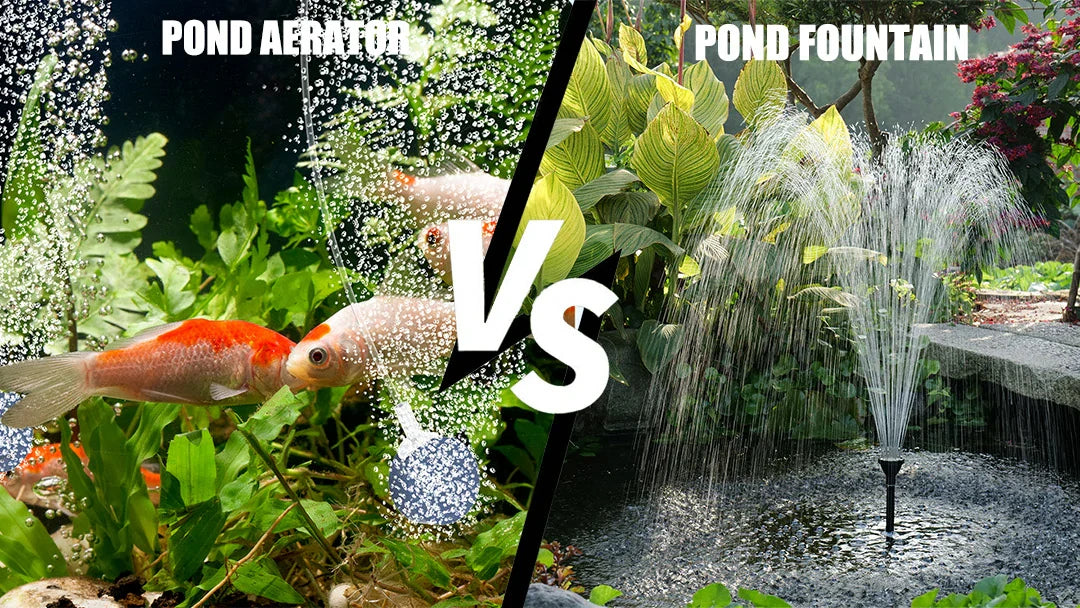
1. Nutzen Sie einen Springbrunnen oder schwimmenden Belüfter
Springbrunnen drücken das Wasser nach oben, wodurch sich beim Zurückplätschern Sauerstoff im Wasser mischt.

Schwimmende Springbrunnen sind ideal für:
- Mittlere bis große Teiche
- Die gleichzeitige Verbesserung von Ästhetik und Belüftung
- Die Bewegung des Oberflächenwassers
Die schwimmenden Springbrunnen von Poposoap kombinieren hohen Wasserdurchfluss mit LED-Beleuchtung und bieten sowohl Leistung als auch Ästhetik.
2. Installieren Sie einen Wasserfall oder einen Überlauf

Eine der effektivsten Methoden zur Belüftung von Wasser ist ein Wasserfall.
Er:
- Erzeugt kontinuierliche Wasserbewegung
- Fügt auf natürliche Weise Sauerstoff hinzu
- Verhindert stagnierende Oberflächenschichten
Die Wasserfall-Sets von Poposoap erzeugen sauerstoffreiches, kaskadierendes Wasser, was sowohl die Wasserqualität als auch das Ambiente des Teiches weiter verbessert.
3. Integrieren Sie eine Tauchpumpe

Die Zirkulation unter der Wasseroberfläche verhindert tote Zonen mit niedrigem Sauerstoffgehalt.
Solar-Teichpumpen sind besonders effektiv für:
- Kleinere Teiche
- Umweltfreundliche Belüftung
- Zirkulation bei Tag ohne elektrische Verkabelung
4. Erhöhen Sie den Pflanzenbewuchs

Wasserpflanzen setzen tagsüber Sauerstoff frei und nehmen Nährstoffe auf, von denen sich Algen ernähren.
Unterwasserpflanzen wie Hornkraut und Wasserpest helfen dabei, tiefere Bereiche Ihres Teiches mit Sauerstoff zu versorgen.
Vorteile der Teichbelüftung
Ein gut belüfteter Teich genießt viele langfristige Vorteile:
1. Saubereres Wasser
Zirkulation reduziert Algen und hilft, organische Partikel schneller abzubauen.
2. Gesündere Fische
Fische gedeihen in sauerstoffreichen Umgebungen. Belüftung verhindert Stress, Krankheiten und Fischsterben in den warmen Monaten.
3. Reduzierte Algenblüten
Algen gedeihen in nährstoffreichem, stehendem Wasser.
Die Bewegung durch Springbrunnen oder Wasserfall-Sets stört das Algenwachstum und verbessert die Klarheit.
4. Effizientere Filterung
Filter arbeiten in der Regel am besten bei bewegtem Wasser. Die Teichfilter-Sets von Poposoap nutzen mehrstufige Filterung in Kombination mit bewegtem Wasser.
5. Vorbeugung von Schichtung
Tiefe Teiche können Schichten aus warmem und kaltem Wasser bilden.
Belüftung vermischt diese Schichten, um konstante Sauerstoffwerte aufrechtzuerhalten.
6. Weniger Gerüche und weniger Schlamm
Belüftetes Wasser zersetzt organische Abfälle schnell, wodurch Gerüche und Bodenschlamm reduziert werden.
Verschiedene Arten von Teichbelüftungssystemen
Der beste Belüfter für Sie hängt von der Größe, Tiefe und dem Aufbau Ihres Teiches ab. Einige gängige Systeme sind:
1. Springbrunnen
- Am besten für Oberflächenbelüftung geeignet
- Gut für Zierteiche
- Optisch ansprechend
2. Wasserfall- und Überlaufsysteme
- Ideal für kontinuierliche Sauerstoffversorgung
- Am besten für Teiche mit Höhenunterschieden
- Starke Zirkulation und ästhetische Bewegung
3. Solarbetriebene Belüfter
- Umweltfreundlich
- Perfekt für kleine bis mittlere Teiche
- Keine Verkabelung oder Elektrizität erforderlich
Genau diesem Konzept folgend wurden die Solar-Springbrunnen und Solar-Teichpumpen von Poposoap entwickelt, die Solarenergie nutzen, um einen gesunden Wasserfluss zu gewährleisten.
4. Unterwasserbelüfter
- Versorgen tiefes Wasser mit Sauerstoff mittels Ausströmersteinen oder Diffusoren
- Am besten für große oder tiefe Teiche
5. Schwimmende Belüfter
- Kraftvolle Oberflächensauerstoffanreicherung mit dynamischen Sprühmustern
- Nützlich für Teiche mit minimalen Höhenunterschieden
Wie man einen Teich ohne Strom belüftet

Wenn Ihr Teich zu weit von Steckdosen entfernt ist oder Sie einfach eine nachhaltige Lösung bevorzugen, fragen Sie sich vielleicht, wie man einen Teich ohne Strom belüftet. Es gibt großartige autarke Optionen:
1. Solar-Springbrunnenpumpen
Erzeugen Sprühmuster und Wasserbewegung durch Sonnenlicht.
Großartig für Vogelbäder und kleine Teiche.
2. Solar-Teichpumpen
Bieten stärkeren Wasserfluss für tiefere Teiche.
Dies sind Kernproduktkategorien im Poposoap-Sortiment, die entwickelt wurden, um effiziente Wasserbewegung in umweltfreundlichen Umgebungen zu unterstützen.
3. Solar-Wasserfall-Sets
Erzeugen kaskadierendes Wasser mit Solarenergie.
Ideal für natürliche Belüftung mit ästhetischem Reiz.
4. Windbetriebene Belüfter
Weniger verbreitet, aber effektiv in Gebieten mit konstantem Wind.
Wartungstipps für belüftete Teiche
Mit ordnungsgemäßer Belüftung trägt routinemäßige Pflege dazu bei, einen gesunden Teich zu erhalten.
1. Reinigen Sie Pumpe und Filter regelmäßig
Verhindern Sie Ablagerungen für einen kontinuierlich guten Wasserfluss.
2. Überprüfen Sie den Sauerstoffgehalt bei heißem Wetter
Warmes Wasser hält weniger Sauerstoff – verwenden Sie stärkere Belüftung, wenn die Temperatur steigt.
3. Schneiden Sie überwucherte Pflanzen zurück
Zu viel Vegetation reduziert den Sauerstoffgehalt in der Nacht.
4. Entfernen Sie Ablagerungen sofort
Blätter, Schlamm und abgestorbene Pflanzenstoffe verringern den Sauerstoffgehalt bei der Zersetzung.
5. Verwenden Sie mehrstufige Filterung
Diese Filter enthalten sowohl biologische als auch mechanische Filtermedien, die das Wachstum nützlicher Bakterien unterstützen und gleichzeitig die Ansammlung sauerstoffzehrender Abfälle vermeiden.
Fazit - Halten Sie Ihren Teich frisch und voller Leben
Einer der am meisten übersehenen, aber wichtigsten Schritte zur Erhaltung eines gesunden und schönen Teiches ist die Belüftung. Die Nutzung von Springbrunnen, Wasserfällen, Solarpumpen oder Unterwasserbelüftern, um das Wasser in Bewegung zu halten, sorgt für einen besseren Sauerstoffgehalt, klareres Wasser und ein blühendes Ökosystem.
Mit umweltfreundlicher, benutzerfreundlicher Ausrüstung – wie Poposoap-Solarbrunnen, Teichfiltern, schwimmenden Springbrunnen und Wasserfall-Sets – wird der Bedarf an hohem Stromverbrauch für den Besitzer reduziert. Diese Systeme spiegeln das Engagement von Poposoap wider, schöne Wasserspiele im Freien zu schaffen und gleichzeitig das ökologische Gleichgewicht zu unterstützen. Indem Sie verstehen, wie Teichbelüftung funktioniert und die richtigen Werkzeuge wählen, halten Sie Ihren Teich das ganze Jahr über frisch, gesund und voller Leben.
WEITERLESEN: Was sind die günstigsten Möglichkeiten, einen Fischteich zu belüften

50W 1360L/h Solar-Springbrunnenpumpe
149,99 $
Bringen Sie Leben in Ihren Teich oder Garten mit dieser großen 50W-Solar-Springbrunnenpumpe. 1360 l/h Durchfluss, umweltfreundlich, perfekt für Teiche im Freien, Vogelbäder und Wasserspiele.
Häufig gestellte Fragen zur Teichbelüftung
Idealerweise lassen Sie ihn täglich laufen – besonders in den warmen Monaten.
Ja. Kleine Teiche verlieren schnell Sauerstoff und erwärmen sich schneller als große Teiche.
Ja, besonders in kleinen bis mittleren Teichen. Die solarbetriebenen Pumpen von Poposoap bieten eine sichere, konstante Wasserbewegung auf nachhaltige Weise.


Hinterlasse einen Kommentar
Alle Kommentare werden vor der Veröffentlichung geprüft.
Diese Website ist durch hCaptcha geschützt und es gelten die allgemeinen Geschäftsbedingungen und Datenschutzbestimmungen von hCaptcha.