

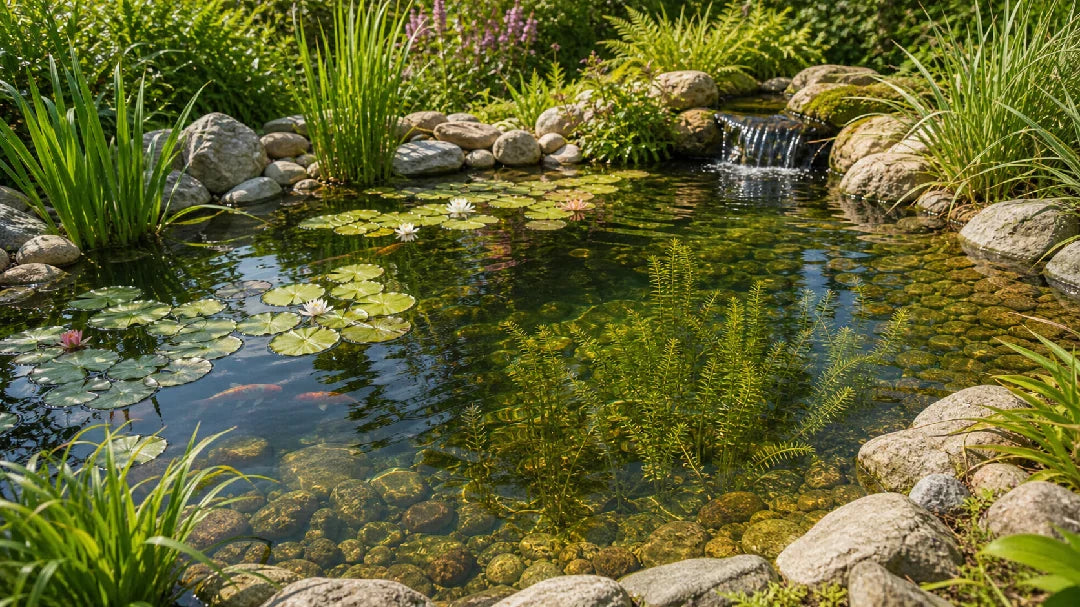
"I won't do it because it will turn out to be a horror," my friend once told me when convincing me not to build a pond in our backyard.
He thought the water would be smelly, buggy, and costly.
However, after seeing another beautifully maintained backyard pond, his opinion changed.
Nowadays, many myths about ponds continue to circulate.
Some are outdated, while others are simply no longer true.
In this article, we take a closer look at common backyard pond myths and reveal the facts behind them.
Why Do Such Pond Myths Exist?

Facts About Modern Ponds
Most myths originate from older pond designs when people lacked effective filtration systems and water circulation.
Today, the situation is very different.
Modern ponds often include filtration and circulation systems that dramatically improve water quality.
Here are a few important facts about ponds:
- Moving water is less attractive to bugs and insects.
- Water can be naturally cleaned using aquatic plants.
- A balanced pond can remain clear without excessive treatments.
These simple facts explain why many traditional pond concerns no longer apply.
Myth vs. Fact: 10 Common Backyard Pond Myths

Myth 1: Ponds Are Difficult to Maintain
Fact: Most modern ponds are surprisingly easy to maintain.
Many specialized kits are available today, including Poposoap products.
These systems are lightweight, easy to install, and require only basic maintenance once operational.
Myth 2: Ponds Are Always Dirty
Fact: Ponds become dirty only when proper filtration and maintenance are lacking.
A quality filter system helps keep water clear, while circulation reduces debris accumulation.
Myth 3: Ponds Require Chemical Treatments
Fact: Many ponds operate successfully without chemicals.
Natural pond ecosystems often rely on beneficial bacteria, plants, and filtration systems to maintain water quality.
Solar-powered fountains with filters can also support natural water purification.
Myth 4: Ponds Attract Mosquitoes
Fact: Mosquitoes prefer stagnant water.
When water is continuously moving, mosquitoes are far less likely to lay eggs.
Even a simple pump can significantly reduce mosquito activity.
Myth 5: Ponds Are Costly
Fact: Costs vary depending on pond size and design.
Many affordable pond options require only modest investments and ongoing maintenance.
Myth 6: Ponds Waste Water
Fact: Ponds recycle water in a closed system.
Most water loss occurs through evaporation, requiring only occasional refilling.
Myth 7: Ponds Are Dangerous
Fact: Safety depends largely on design choices.
Shallow areas, gradual slopes, and thoughtful layouts can make ponds safe for families, children, and pets.
Myth 8: Ponds Require Constant Cleaning
Fact: Regular maintenance is generally sufficient.
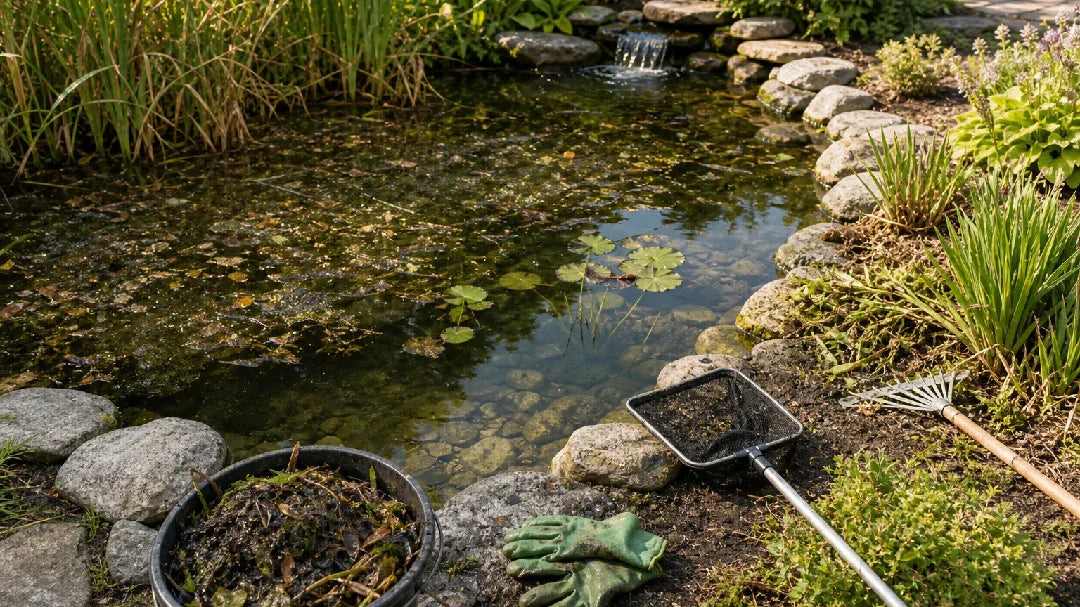
With proper filtration, routine tasks often involve little more than removing leaves and debris.
Myth 9: Only Specialists Can Build a Pond
Fact: Beginners can successfully build ponds.
Detailed instructions, DIY kits, and modern equipment have made pond construction much more accessible.
Myth 10: Ponds Only Fit Large Gardens
Fact: Proper design matters more than size.
Even small gardens can accommodate attractive and functional ponds.
Pros and Cons of a Pond

Pros of a Pond
- Creates a natural appearance in your backyard
- Attracts birds and wildlife
- Provides a tranquil atmosphere
- Encourages spending more time outdoors
Cons of a Pond
- Requires basic maintenance
- Needs proper planning before construction
- May be affected by seasonal weather changes
Considering both the advantages and disadvantages provides a realistic understanding of pond ownership.
Simple Tips for Creating a Healthier Pond
Several straightforward practices can improve pond health:
- Keep water moving by installing a pump
- Add aquatic plants to support ecosystem balance
- Use filters to reduce debris buildup
- Monitor water quality regularly
These small actions can make a significant difference.

Interesting Facts About Ponds
There are many interesting facts about ponds that people often overlook:
- A pond can support a complete ecosystem.
- Aquatic plants help reduce algae growth.
- Fish assist with insect control.
- Moving water increases oxygen levels.
- Sunlight strongly influences pond ecology.
- Ponds do not always require chemicals to stay clear.
- Even small ponds can support wildlife.
- Ponds can help cool backyard environments during summer.
- Natural water environments may help reduce stress.
- A pond often becomes the focal point of a garden.
These facts demonstrate that ponds are much more than decorative landscape elements.
Conclusion
Many backyard pond concerns stem from outdated information and misconceptions.
When you understand the facts, ponds become far less intimidating.
With the right filtration and circulation systems, ponds provide an excellent opportunity to connect with nature and enhance outdoor living.
Poposoap has helped millions of water garden enthusiasts create their own backyard water features.
READ MORE: Benefits of POPOSOAP Solar Water Fountains

55W 580GPH Solar Waterfall Pump Kit with 8" Spillway
$218.99
55W Folding Solar Panel for Efficient Power. Zero electricity cost, no outlet reliance, clogging, high maintenance, noisy operation, and hard installation, keeping water clear for fish and plants.
FAQ
Are ponds difficult to maintain?
No. Proper filtration systems make maintenance relatively simple.
Do ponds attract mosquitoes?
No. Mosquitoes prefer stagnant water rather than moving water.
Are chemicals required for ponds?
In many cases, natural filtration systems make chemical treatments unnecessary.
Is it possible to build a pond in a small backyard?
Yes. Even compact outdoor spaces can accommodate attractive ponds.

Hinterlasse einen Kommentar
Alle Kommentare werden vor der Veröffentlichung geprüft.
Diese Website ist durch hCaptcha geschützt und es gelten die allgemeinen Geschäftsbedingungen und Datenschutzbestimmungen von hCaptcha.