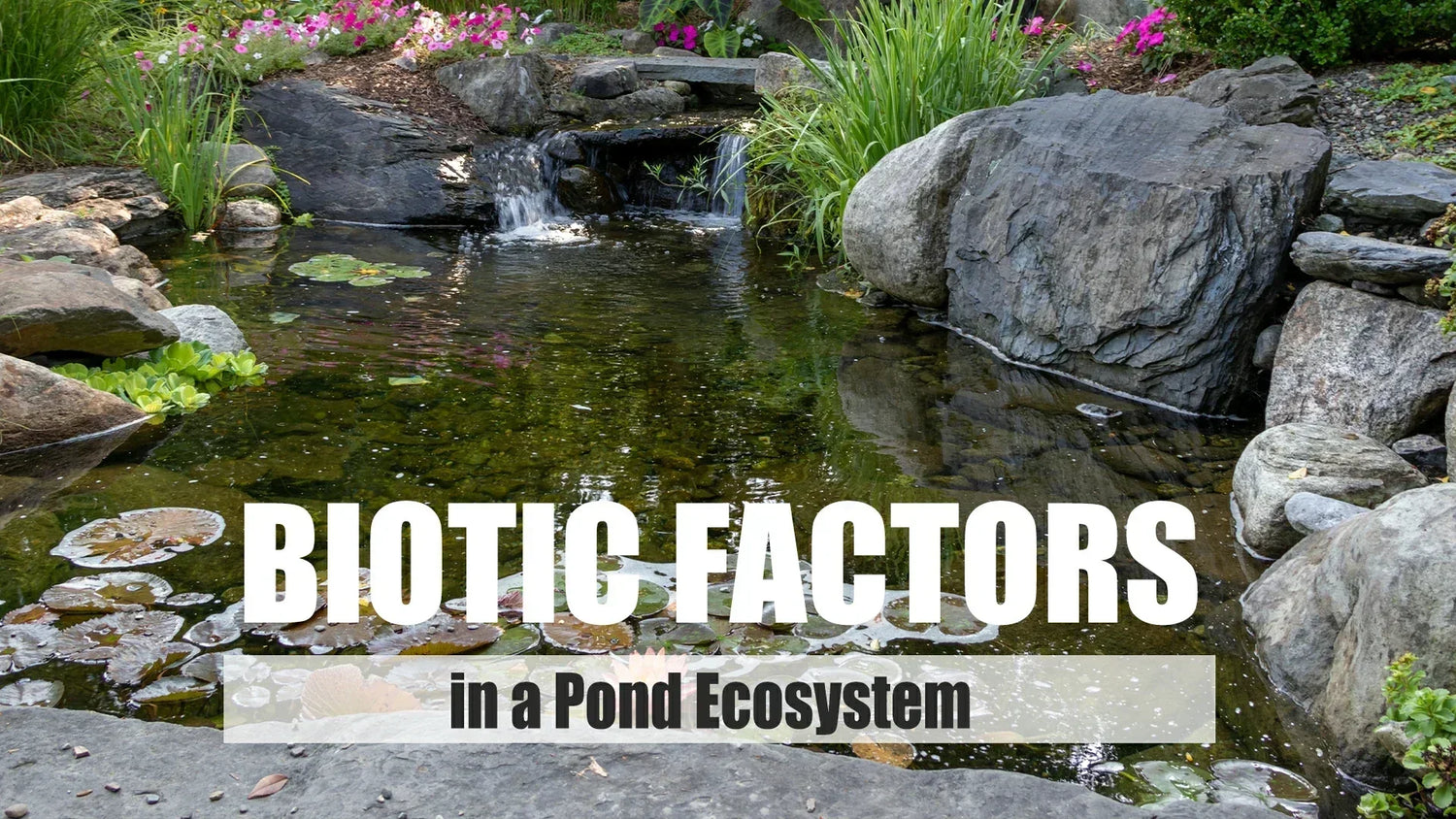
When people start building or maintaining a backyard pond, questions about filtration, water clarity, or choosing the right solar fountain are among the first. But behind all these practical concerns lies a larger truth: every pond is a living system. Understanding the biotic factors in a pond, how they interact, and how they contribute to a healthy pond ecosystem will help you make better decisions-from selecting plants to choosing the right filtration or aeration products.
Powered by a solar fountain, a waterfall, or a pond filter system, your pond is all about balance between life and environment. This guide explains what a pond ecosystem is, really, what the major biotic factors are, and how you can support a thriving natural balance in it.
What Is a Pond Ecosystem?
A pond ecosystem is a community of living organisms interacting with each other and with the non-living environment—sunlight, water, minerals, and temperature. Even the smallest garden pond becomes its own miniature world the moment water, plants, and microorganisms meet.
In fact, when flowing water is added by homeowners through solutions like Poposoap solar fountains, pond filters, or waterfall kits, they aren't just decorating-they are actually shaping how energy and nutrients circulate in their ponds. Such interactions create stability, clarity, and long-term ecological health.
Components of Pond Ecosystem
A complete pond ecosystem includes the following:
Abiotic components (non-living)
- Sunlight
- Water chemistry
- Availability of oxygen
- Temperature
- Rocks and substrate
Biotic components - living
- Plants
- Fish
- Insects
- Microorganisms
- Decomposers
The harmony between biotic and abiotic factors can affect the clarity of water, circulation of oxygen, level of nutrition, and overall balance in the pond. Accessorized tools like pond filters and solar pumps support this harmony in promoting oxygen movement and reducing stagnation-an essential foundation for healthy life cycles.
5 Biotic Factors in a Pond Ecosystem
Below are the five major biotic categories that drive the life of a pond ecosystem.
Aquatic plants

Plants are the backbone of any pond ecosystem. They:
- Produce oxygen through photosynthesis
- Offer shade and shelter
- Absorb excess nutrients, preventing algae blooms
- Stabilize the pond's ecological balance
Floating fountains or waterfall kits improve plant health because the water moves around, oxygenating the roots and preventing stagnation.
Fish and Aquatic Animals

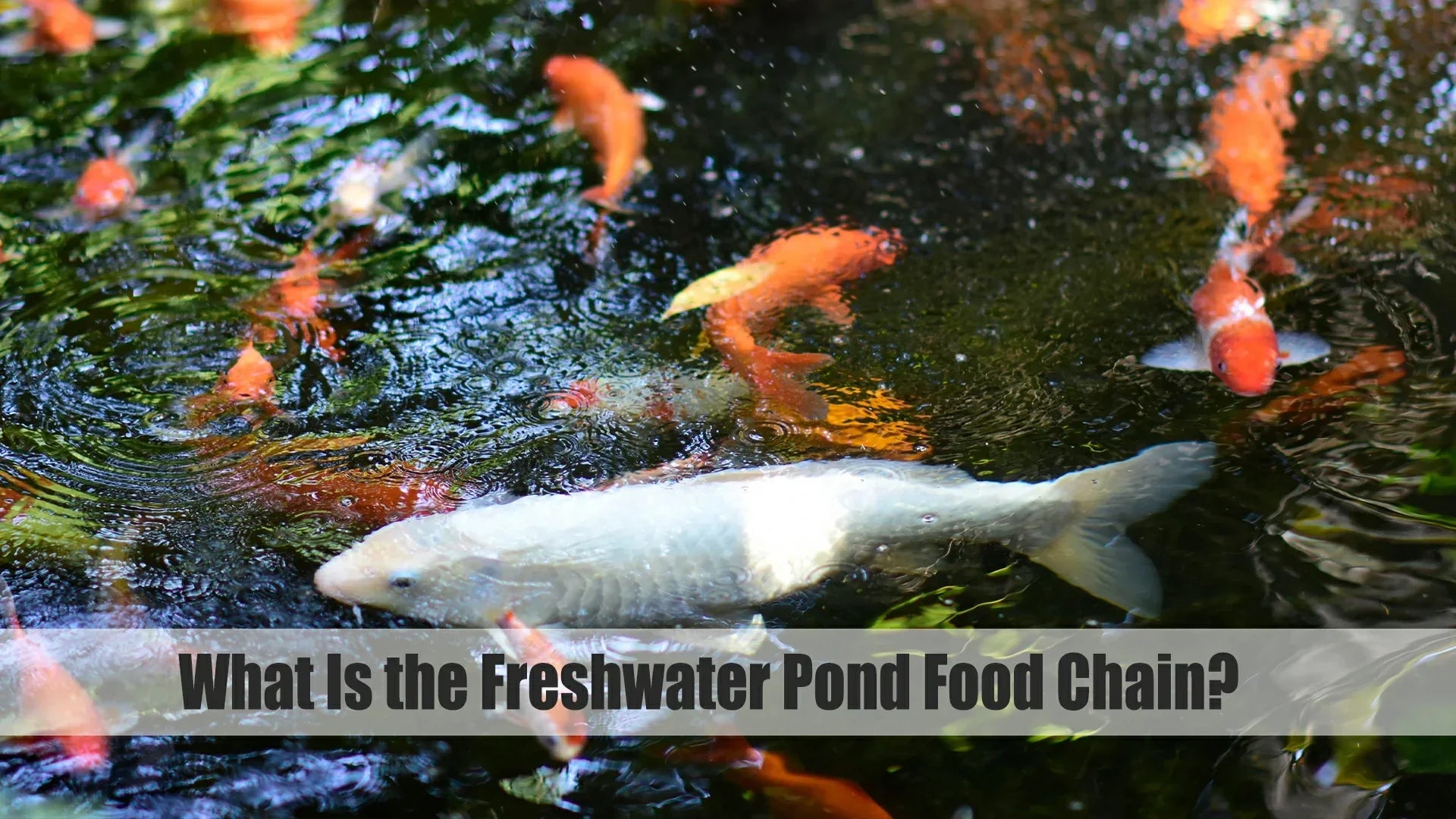
Fish, frogs, snails, and small crustaceans help make up the pond’s food chain. They:
- Help in controlling insects like mosquitoes.
- Produces natural waste that becomes nutrients for plants and microorganisms.
- Increase the biodiversity in the pond
Good water circulation—achieved with a solar pond filter or a solar fountain—keeps oxygen levels high enough to support these species.
Insects and Larvae

They are also very important for the ecology of the pond: dragonflies, beetles, water worms, insect larvae.
- Helping in the breakdown of organic material
- An important source of food for fish and amphibians
- Contribute to the pollination of nearby plants and flowers.
A strong and active insect population generally connotes a healthy pond ecosystem. Steady water movement-supplied by Poposoap solar fountains-provides these insects with the oxygen-rich, stable conditions they need to flourish.
Algae -Producers

Algae are generally misunderstood, yet they present a very important ecological function by:
- Provide nourishment to microorganisms and small aquatic animals
- Produce oxygen through photosynthesis
- Form the basis for the pond's food web
The goal is a balance: too much algae cloud the water, while not enough upsets nutrient cycling. Filtration products, including pond filters, would be helpful in achieving this in the sense of removal of wastes and generally increasing the quality of the water
Microorganisms & Decomposers
Smallest life forms have the biggest impacts. Bacteria, protozoa, and fungi:
- Break down fish waste and organic debris
- Nutrient recycling to support plant growth
- Reduce the risk of hazardous water conditions
Filtration systems, in particular, with multi-stage biological media, augment this natural process by promoting the safe proliferation of microorganisms.
Energy Flow and Pond Ecosystem Diagram
Energy flow within a pond ecosystem follows a predictable pattern, as seen within a classic pond ecosystem diagram:

Sunlight
↓ provides energy
Producers (plants, algae)
↓ photosynthesize
Primary consumers (insects, small animals)
↓ feed on plants.
Secondary consumers include fish and amphibians.
↓ control insect populations
Decomposers (bacteria)
↓ recycle nutrients back into the system
A flowing body of water, generated via solar or AC pond pumps, facilitates each stage in this energy cycle by ensuring oxygen is available to prevent stagnation.
Interactions Between Biotic and Abiotic Factors
Everything alive within a pond depends on abiotic components:
- Plants need sunlight and proper water chemistry.
- Fish need oxygen and stable temperatures.
- Most microorganisms prefer optimal nutrient levels to proliferate-but not in excess.
This is why circulation tools like waterfalls, solar fountains, and pond filters are important. They create the conditions needed for biotic factors to work properly by increasing oxygen flow and moving water. Poposoap's pond-friendly designs—built to support healthy oxygenation and filtration—are built with a focus on the ecology of ponds.
Why Balance in Pond Ecosystems Is Important
When one biotic factor becomes too dominant, such as overgrowth of algae, the entire ecosystem becomes stressed.
Maintaining the balance begets:
- Cleaner water
- Healthier fish
- Stronger plant growth
- Fewer pests
- More stable oxygen levels
Solar fountains, Pond Filter Kits, and Waterfall Kits support this natural balance in promoting oxygen circulation, mechanical filtration, and bio-filtration, thus fitting into Poposoap's brand mission to bring beauty and ecological harmony to outdoor water features.
Conclusion: Understanding Life in a Pond Ecosystem
A healthy pond ecosystem is much more than clean water; it's a living web of plants, fish, microbes, and environmental conditions interacting in harmony with one another. By understanding the key biotic factors at work in your pond and their relationships with one another, you'll be able to create a healthier, clearer, more beautiful pond. Supporting this ecosystem doesn't require complicated science. With proper plant selection, mindful stocking of fish, and reliable tools such as solar fountains, pond filters, and waterfall kits, you enhance natural balance and make sure that your pond becomes a lively self-sustaining environment. If you want a pond that looks beautiful and stays healthy year-round, start by understanding the life within it—and empower that life with the right tools.
READ MORE: How To Enhance Pond Ecosystems

P3203 20W 280GPH Solar Pond Filter Fountain
$119.99
Clean and oxygenate your pond with this 20W solar pond filter pump. Eco-friendly 280GPH flow ideal for small to medium backyard water features.
FAQs About Pond Ecosystems
Common triggers include excess nutrients, stagnant water, and lack of oxygen.
Yes. Small ponds can become imbalanced even faster and need consistent filtration or aeration.
Absolutely, Poposoap solar fountains and solar pond filters provide for constant water movement and aeration during daylight hours to encourage a stable environment.
Both are necessary, but plants often form the foundation of nutrient control.


Hinterlasse einen Kommentar
Alle Kommentare werden vor der Veröffentlichung geprüft.
Diese Website ist durch hCaptcha geschützt und es gelten die allgemeinen Geschäftsbedingungen und Datenschutzbestimmungen von hCaptcha.