

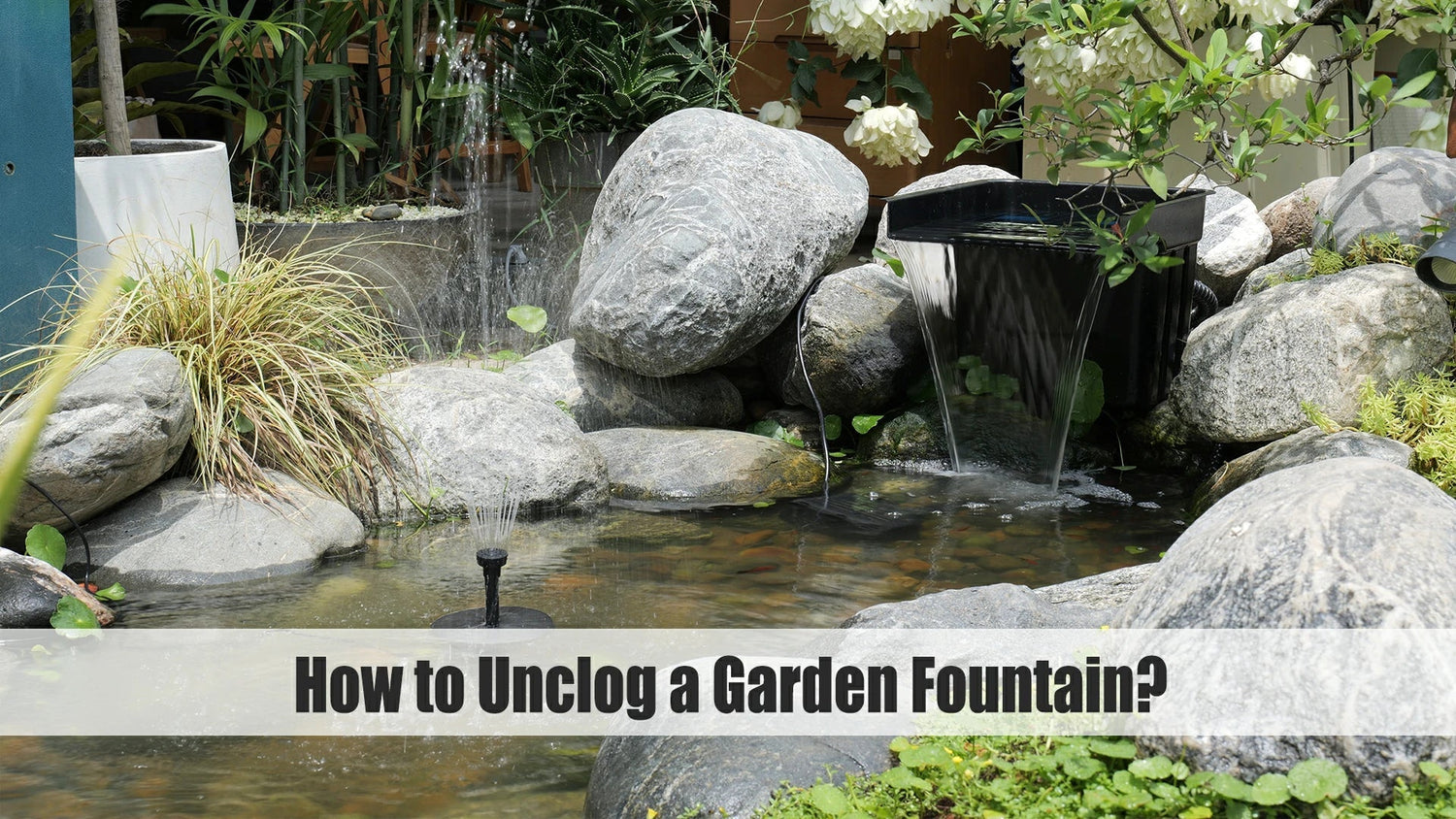
Wenn Sie schon einmal nach draußen gegangen sind, in der Erwartung, vom sanften Plätschern fließenden Wassers begrüßt zu werden, nur um festzustellen, dass Ihr Gartenbrunnen kaum noch tröpfelt oder gar nicht mehr pumpt, dann wissen Sie bereits, wie frustrierend das sein kann. Eines der häufigsten Probleme für Gartenbesitzer ist ein verstopfter Brunnen, und dies geschieht oft schleichend und vollkommen lautlos. Ein bisschen Algen hier, ein paar Blätter dort, und schon bald läuft die Pumpe langsamer oder funktioniert gar nicht mehr.
Glücklicherweise muss die Reinigung eines Brunnens nicht mit aggressiven Chemikalien oder komplizierten Werkzeugen verbunden sein. Meistens reichen einfache, natürliche Methoden aus, um das Wasser wieder klar fließen zu lassen. Sobald Sie verstehen, warum Brunnen verstopfen, ist es viel einfacher, ein erneutes Auftreten des Problems zu vermeiden.
Nachfolgend finden Sie eine Schritt-für-Schritt-Anleitung, wie Sie einen Gartenbrunnen auf natürliche Weise von Verstopfungen befreien, ergänzt durch praktische Ratschläge aus jahrelanger Arbeit mit Wasserspielen im Außenbereich sowie Empfehlungen, die zu Poposoaps umweltfreundlichem Ansatz für nachhaltige und wartungsarme Gartenbrunnen passen.
Warum verstopfen Gartenbrunnen?
Ein Brunnen mag wie eine Einheit erscheinen, ist aber in Wahrheit ein kleines Ökosystem im Freien. Verschiedene Dinge können die Pumpe blockieren oder den Durchfluss einschränken:

-
Ablagerungen
Blätter, Pollen, Schmutz und kleine Zweige fallen häufig auf den Boden des Beckens und werden in den Pumpeneinlass gesaugt. -
Algenwachstum
Warmes, sonniges Wetter fördert Algenblüten, die die Pumpe und die Schläuche überziehen. -
Mineralablagerungen
Hartes Wasser hinterlässt eine weiße oder bräunliche Kruste an Pumpenteilen und Schläuchen, was den Durchfluss einschränkt. -
Vogelaktivität
Wenn Ihr Brunnen auch als Vogeltränke dient, tragen Federn und Samenschalen zur Ansammlung von Ablagerungen bei. -
Stehendes Wasser
Stehendes Wasser sammelt mehr Bakterien und Schlamm. Aus diesem Grund entwickelt Poposoap viele seiner Solarpumpen und gefilterten Brunnensysteme auf Basis von kontinuierlicher Wasserbewegung und Zirkulation, da dies die Verstopfung auf natürliche Weise verlangsamt und das Wasser zwischen den Reinigungen frischer hält.
Wie man einen Gartenbrunnen natürlich von Verstopfungen befreit

Sie benötigen kein Chlor, keine Seife und keine aggressiven chemischen Mittel, um einen Wasserbrunnen freizubekommen. Eine einfache Reinigungsroutine mit natürlichen Methoden kann mehr als ausreichen, um die meisten Brunnen wieder zum Leben zu erwecken. Hier ist ein einfacher, schonender Ansatz, der bei den meisten Pumpen und Becken funktioniert:
-
Pumpe ausschalten und entfernen
Nehmen Sie die Pumpe aus dem Becken, nachdem Sie zuvor alle Schläuche gelöst haben. Wenn Ihr Brunnen immer langsamer lief, werden Sie wahrscheinlich Algen oder Ablagerungen im Bereich des Einlasses sehen. -
Pumpengehäuse reinigen
Waschen Sie Schmutz, Algen und lose Ablagerungen mit sauberem Wasser ab. Schrubben Sie vorsichtig mit einer Bürste mit weichen Borsten, ohne die Oberfläche zu zerkratzen – eine ausgediente Zahnbürste reicht im Notfall völlig aus. -
Laufrad reinigen
Die vordere Abdeckung der meisten Tauchpumpen lässt sich entweder abdrehen oder einfach abnehmen. Im Inneren befindet sich das Laufrad – das kleine, rotierende Teil, in dem sich oft Schlamm ansammelt.
Spülen Sie es vorsichtig ab und prüfen Sie, ob es sich wieder reibungslos drehen lässt. -
Schläuche und Düsen spülen
Algen verstecken sich oft im Inneren der Schläuche. Spülen Sie warmes Wasser durch die Leitungen oder weichen Sie Düsen in einer milden Essiglösung ein, bevor Sie sie gründlich abspülen. -
Becken mit Wasser auffüllen
Bauen Sie die Pumpe wieder zusammen und setzen Sie sie zurück in das Becken. Füllen Sie es mit sauberem Wasser auf. Wenn es sich um eine Solarpumpe handelt, platzieren Sie das Panel wieder in der prallen Sonne, und das Wasser beginnt von selbst zu zirkulieren. Diese einfache Routine bringt den Durchfluss in fast allen Fällen ganz ohne Chemikalien zurück.
Natürliche Reinigungslösungen für Gartenbrunnen
Diese natürlichen Lösungen eignen sich hervorragend für jeden, der lernen möchte, einen Wasserbrunnen sicher von Verstopfungen zu befreien:
-
Essig + Wasser
Eine 1:4-Mischung dient dazu, Mineralablagerungen und Algen zu lösen. Danach gut abspülen. -
Zitrone + Salz
Großartig für oberflächliche Flecken auf Brunnen aus Stein oder Keramik. -
Natronpaste
Funktioniert gut, um schleimige Rückstände im Inneren des Beckens abzuschrubben.
Alle diese Mittel sind bei ordnungsgemäßem Abspülen sicher und entsprechen Poposoaps umweltfreundlichem Ansatz für die Pflege von Wasserspielen mit geringer Umweltbelastung.

Tipps zur Vorbeugung von verstopften Brunnen in der Zukunft
Das Reinigen des Brunnens ist viel einfacher, als eine Verstopfung zu beheben. Ein paar einfache Gewohnheiten helfen, das Problem ganz zu vermeiden:
-
Wasser in Bewegung halten
Stehendes Wasser lässt Algen schneller wachsen. Selbst eine kleine Solar-Brunnenpumpe, wie die kompakten Solar-Modelle von Poposoap, hält das Wasser auf natürliche Weise in Zirkulation und reduziert das Verstopfungsrisiko erheblich. -
Pumpe einmal wöchentlich reinigen
Ein schnelles Abspülen verhindert Ablagerungen, bevor diese hart werden. -
Brunnen nicht unter Bäumen platzieren
Weniger herabfallende Ablagerungen bedeuten weniger Reinigungsaufwand. -
Filtermedien oder Vorfilter verwenden
Viele der gefilterten Pumpenkonstruktionen von Poposoap verwenden schwammartige oder netzartige Einlässe, die Ablagerungen auffangen, bevor sie den Motor erreichen. -
Mit frischem Wasser auffüllen
Frisches Wasser reduziert das Algenwachstum und steigert die Effizienz der Pumpe.
Häufige Fehler bei der Reinigung oder Entstopfung eines Brunnens
Hier sind Fehler, die ich häufig bei Hausbesitzern sehe:
-
Verwendung aggressiver Chemikalien
Bleichmittel, Spülmittel und Algenvernichtungsmittel hinterlassen Rückstände, die Vögeln und Haustieren schaden können. -
Zu starkes Schrubben
Metallbürsten zerkratzen die Pumpe oder das Becken. -
Trockenlauf der Pumpe
Trockenlauf überhitzt den Motor und verkürzt langfristig dessen Lebensdauer. -
Ignorieren selbst kleiner Leistungsabfälle
Ein leichter Rückgang des Durchflusses deutet meist darauf hin, dass Algen zu wachsen beginnen. Frühzeitige Reinigung schont die Pumpe. -
Das Solarpanel schmutzig lassen
Staub auf einem Solarpanel schwächt die Ausgangsleistung. Die Poposoap-Panels benötigen nur ein schnelles Abwischen, um ihre volle Leistung zurückzuerhalten.
Wann man die Pumpe ersetzen statt reparieren sollte
Die meisten Pumpen können durch eine gründliche Reinigung wiederbelebt werden. Ziehen Sie jedoch einen Austausch der Pumpe in Betracht, wenn:
- Das Laufrad nicht mehr reibungslos dreht.
- Der Motor ungewöhnliche mahlende Geräusche macht.
- Mehrfache Reinigungen den Durchfluss nicht wiederherstellen.
- Mineralablagerungen interne Teile beschädigt haben.
- Die Pumpe mehrere Jahre alt ist und an Effizienz verliert.
Wenn Sie eine Pumpe ersetzen, bieten neue Solar- und gefilterte Brunnenpumpen – hergestellt für kompakte Wasserspiele im Außenbereich, wie sie Poposoap baut – eine bessere Energieeffizienz und einen natürlicheren Schutz vor Ablagerungen im Vergleich zu früheren Modellen.
Fazit – Halten Sie Ihren Brunnen natürlich am Fließen
Ein verstopfter Brunnen ist nicht unbedingt kaputt; meistens braucht er nur eine kleine natürliche Reinigung und regelmäßige Pflege. Sobald Sie verstehen, wie sich Ablagerungen, Algen und stehendes Wasser auf Ihre Pumpe auswirken, wird es viel einfacher, einen reibungslosen, kontinuierlichen Durchfluss aufrechtzuerhalten.
Poposoaps Reihe von Solar- und gefilterten Brunnenpumpen wurde auf dieser Grundlage entwickelt und nutzt effiziente Wasserbewegung, integrierte Filterkonzepte und erneuerbare Solarenergie, um Verstopfungen zu reduzieren und die Brunnenpflege weitaus einfacher zu gestalten als bei herkömmlichen elektrischen Systemen. Eine saubere Pumpe bedeutet einen leisen Brunnen, klareres Wasser und ein Gartenelement, das Woche für Woche schön bleibt.
Bitte lesen Sie unsere weiterführenden Informationen: Häufige Fehler und Lösungen bei Solar-Wasserpumpen. Damit Sie verstopfte Gartenbrunnen noch besser in den Griff bekommen.

P2326D 40W 660GPH AC Teichfilter-Brunnenpumpe mit Beleuchtung
89,99 $
Halten Sie Ihr Teichwasser klar mit der P2326D AC Teichfilter-Brunnenpumpe. Inklusive Pumpe, mehrstufigem Filtersystem und eingebautem Licht für nächtliche Ästhetik.
FAQs
Gartenbrunnen verstopfen aufgrund mehrerer Faktoren, darunter herabfallende Ablagerungen (Blätter, Pollen, Zweige), Algenwachstum durch warmes, sonniges Wetter, mineralische Ablagerungen durch hartes Wasser, vogelbedingte Rückstände (Federn, Samenschalen) und stehendes Wasser, das mit der Zeit Bakterien und Schlamm ansammelt.
Sie können ihn mit diesen Schritten entstopfen: 1. Pumpe ausschalten und aus dem Becken entfernen; 2. Pumpengehäuse mit sauberem Wasser und einer weichen Bürste waschen; 3. Das interne Laufrad reinigen und sicherstellen, dass es sich reibungslos dreht; 4. Schläuche spülen und Düsen in einer milden Essiglösung einweichen; 5. Pumpe wieder zusammenbauen und das Becken mit sauberem Wasser füllen.
Wirksame natürliche Lösungen sind: 1. Eine 1:4-Essig-Wasser-Mischung (löst Mineralablagerungen und Algen); 2. Zitrone und Salz (großartig für Flecken auf Stein-/Keramikoberflächen); 3. Natronpaste (schrubbt schleimige Rückstände im Becken). Alles sollte nach der Anwendung gründlich abgespült werden.
Verhindern Sie Verstopfungen durch: 1. Wasserzirkulation mit einer Solar-Brunnenpumpe; 2. Wöchentliches Abspülen der Pumpe; 3. Platzierung des Brunnens abseits von Bäumen, um Ablagerungen zu reduzieren; 4. Verwendung von Filtermedien oder Vorfiltern; 5. Regelmäßiges Auffüllen des Beckens mit frischem Wasser.
Ersetzen Sie die Pumpe, wenn: 1. Das Laufrad nicht mehr reibungslos dreht; 2. Der Motor ungewöhnliche mahlende Geräusche macht; 3. Mehrfache Reinigungen den Wasserdurchfluss nicht wiederherstellen; 4. Mineralablagerungen interne Teile beschädigt haben; 5. Die Pumpe alt ist und ihre Effizienz dauerhaft verliert.


Hinterlasse einen Kommentar
Alle Kommentare werden vor der Veröffentlichung geprüft.
Diese Website ist durch hCaptcha geschützt und es gelten die allgemeinen Geschäftsbedingungen und Datenschutzbestimmungen von hCaptcha.