

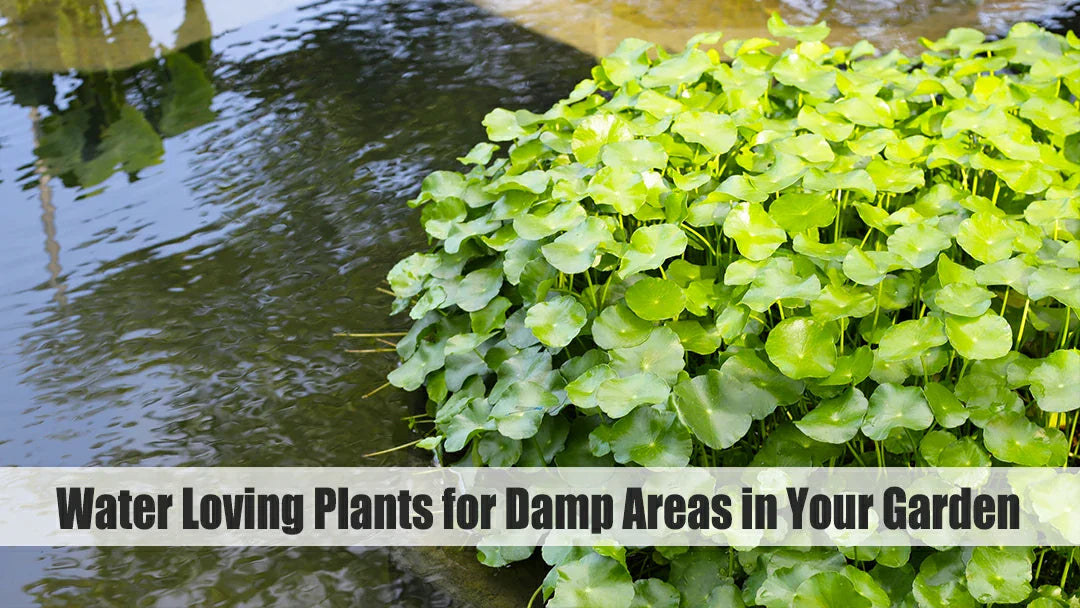
Every garden has that one spot that just doesn't seem to ever dry out.
Perhaps it's the lowest point in the corner, where water tends to accumulate from the rain, or it's an area that's close to where the water from the downspout drains. Or it could be where the soil remains moist for an extended period of time when the rest of the lawn has dried. These areas are considered problems to be solved by many gardeners.
However, areas in your garden where water accumulates don't have to be devoid of life. With the right attitude, you can make those areas some of the most fascinating in your garden.
It is where water loving plants feature.
Introduction - Creating a Beautiful Garden Can Be a Challenge, Especially When There Are Areas
It's not very productive to try to make plants that prefer to grow in dry conditions get along in damp soil. The roots will die, growth will slow dramatically, and frustration will mount. There's nothing basically wrong with the soil; it's just behaving as soil does.
Rather than combating moisture, successful garden design begins with its acceptance.
Hydrophilic plants like to grow in areas where water tends to collect. These plants do not merely tolerate wet conditions; instead, they like wet soil. Planted properly, hydrophilic plants can turn wet areas into rich planting spots.
What Are Hydrophilic Plants?
Hydrophilic plants are those plant species that like conditions of moist or wet soil. There are plant species that grow around ponds or streams or in marshland or seasonal wetlands.
It doesn't mean that they have to live under water. There are many water-loving garden plants that can easily grow in moist, not soaked, soil.
One must wonder, for instance, if all water plants are hydrophilic.
The response to this question is no. While some aquatic plants are entirely aquatic, others are in between; these are hydrophilic plants.
These pots are recommended for use in gardens that do not have perfect drainage and will never have perfect drainage.

Advantages of Raising Water-Loving Garden Plants
Maintaining plants would be one of the biggest advantages because plants would be appropriate for the natural moisture content of the soil, requiring less human interaction.
Water loving plants play a role in stabilizing wet spots. This is because water loving plants contain roots, which make soils stable and prevent erosion, particularly in slopes or water features.
From an aesthetic perspective, such plants possess striking leaves, tall and vertical elements, or textures with a soft, flowing movement that can add dimension to a garden composition.
In garden designs that house ponds, fountains, and/or rainwater gardens, hydrophilic plants tend to harmonize well with the flow of the water. This is because the Poposoap philosophy emphasizes embracing what is existing rather than imposing a solution.

Top Water Loving Plants for Damp Gardens
A number of plants thrive in wet soils, but these plants do not all have a wetland-like appearance.
Certain types of ornamental grass can thrive in moist areas, thus contributing to the creation of movement in the garden. Ferns are another plant that many people enjoy. These plants perform best in shaded areas that are moist.
Some options that produce flowers are those that have a long blooming period as well as the ability to have wet "feet" that do not become waterlogged. Native plants are popular choices that can be classified under this category for easy maintenance when planted.
When selecting water loving plants, it is fundamental to take note of light conditions. These plants grow well in full sun, partial shade, or both. Lighting conditions are not all there is to know when it comes to water loving plants.
Designing a Garden with Hydrophilic Plants
The use of hydrophilic plants is most successful when there is a clear understanding of moisture patterns.
Observe to see where water settles and for how long after a rain. Water settles spots will direct where plants are placed.
Layering helps. Taller plants are suitable towards the back or in the centre of boggy areas, with shorter varieties at the edges. This helps to provide form to the area and avoid an overgrown look.
If your garden has a pond, fountain, or rain-filled basin, hydrophilic plants aid in blurring transitions from water to land. The water features by Poposoap are created to work well together with plants that thrive around water.
Caring for Water Loving Plants
Though such plants like water, they can still be handled.
Mulching aids in maintaining soil temperatures. Moreover, organic mulch also tends to enhance the quality of the soil.
In wet climates, it is necessary to be cautious if root stress indicators are noticed. Water ponding for an unusual period may still cause problems even in plants that are hydrophilic.
Pruning and thinning of plants ensure that airflow is maintained. This will prevent disease in such an environment.
Since most plants will thrive in water when they are transplanted there, they are relatively hardy when they are in water. This means that they will require less care compared to plants that
Common Mistakes in Planting in Waterlogged Soil

"Wet" can be mistaken for "all plant species will grow faster" because in truth, only plants that thrive in moist soil will be able to.
Poor Spacing: Overgrowth: If the land holds humidity, this will help the plants grow well, but it could be overgrown if the plants are planted too closely.
The light condition should not be disregarded. Plants that grow well in wet environments should have adequate sunlight or shades.
Finally, over-correcting drainage could upset the natural composition of that particular region. Sometimes, you don't have to drain water to some other location; you just have to work around that particular situation.
Conclusion - Let Nature Lead the Way
You don't have to disguise areas where water accumulates. With the right plant species, those spots can be your garden's design highlights.
By selecting plants with a hydrophilic tendency, which are inherently suitable for their environment, a lot of garden maintenance can be avoided.
When water, plants, and good design are brought together, what happens? A landscape that looks planned---and remains that way with much less maintenance.
READ MORE: Waterfall Plants to Complement Your Water Feature

P3203 20W 280GPH Solar Pond Filter Fountain
$119.99
Clean and oxygenate your pond with this 20W solar pond filter pump. Eco-friendly 280GPH flow ideal for small to medium backyard water features.
FAQs: Water Loving Plants and Hydrophilic Plants
Not usually. They can be easier to take care of when planted in favorable conditions.
Many can tolerate short dry spells once established, but consistent moisture is best.
Not so. They actually prefer damp soil without standing water.
Yes. They are very effective in small areas, especially in problematic zones.

Hinterlasse einen Kommentar
Alle Kommentare werden vor der Veröffentlichung geprüft.
Diese Website ist durch hCaptcha geschützt und es gelten die allgemeinen Geschäftsbedingungen und Datenschutzbestimmungen von hCaptcha.