

Winter Heating, Survival, and Smart Alternatives for Healthy Koi
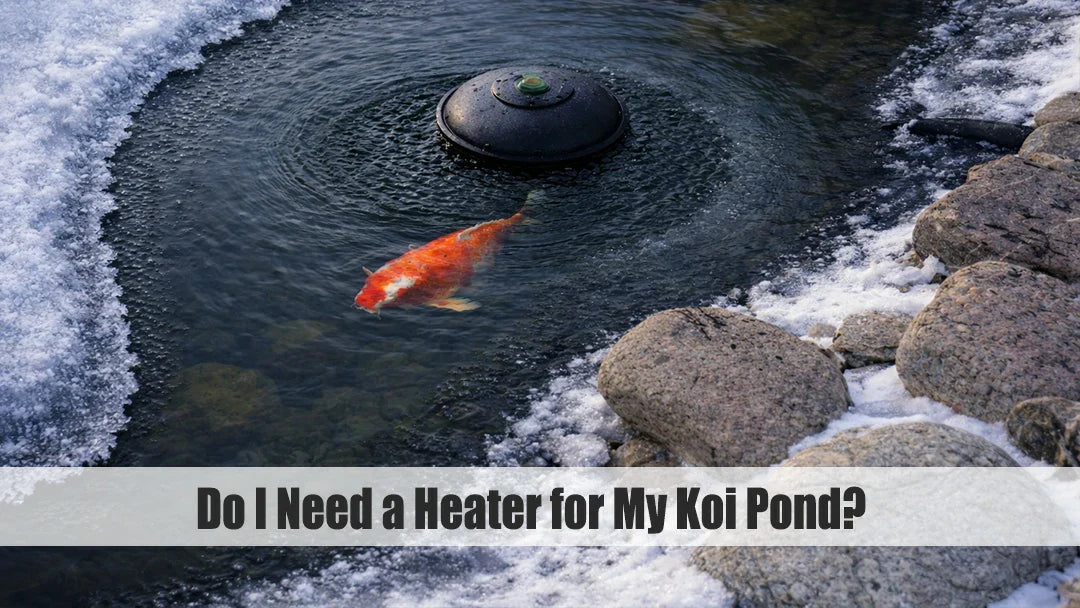
When the temperatures start to fall, one question becomes important to just about every pond owner: Does my koi pond need a heater? During winter, koi behavior changes, water cools, feeding slows, and pond ice starts to become quite a factor in many regions. Some assume a heated koi pond is vital, while some hobbyists believe that it is possible for koi to endure freezing winters without any extra equipment.
The reality is that the truth is somewhere in between. Sure, koi are hardy, but your pond conditions, climate, depth, and circulation determine whether pond heaters for winter are necessary or whether natural alternatives will work just as well. With proper planning, appropriate aeration, and winter care—especially with the use of environmentally friendly tools like Poposoap's solar pond aerators, filters, and waterfall systems—you can keep your koi safe without resorting to heavy-duty high-wattage heaters.
Let's delve into what you really need to keep your koi safe through winter.
Introduction — The Winter Question Every Koi Owner Asks
As soon as ice forms, or water temperatures drop below 50°F (10°C), pond owners start to wonder if their koi need additional heat. Of course, koi are cold-water fish, but they still require adequate levels of oxygen, stable temperatures, and open water surfaces to live comfortably. Here's where the confusion sets in: Do koi need warmth, or do they just need stability?
Knowing the difference avoids unnecessary stress, energy use, or overcomplicated winter setups.
Can Koi Survive Cold Water Without a Heater?
Yes, even in very cold climates, koi can survive through the winter without a heater, as long as the pond is deep enough and oxygen levels are maintained properly.
Healthy koi naturally reduce their metabolism when temperatures lower. During winter, they actually go into torpor—a state of dormancy in which they stay still at the bottom of the pond and do not need to eat or use much energy.

Koi can survive in water as cold as 35–40°F (1–4°C) if:
- the pond is at least 3–4 feet deep
- water quality remains stable
- the pond does not freeze entirely
- oxygen continues to move through at least one opening within the ice
This is where aeration becomes crucial. Poposoap solar-powered pond aerators and waterfall systems maintain light water movement, preventing total surface ice and allowing gases to escape—one of the most important survival factors for overwintering koi.
When You Might Need a Pond Heater
While most ponds can overwinter koi without heat, there are some situations that do benefit from a pond heater:

1. Very Shallow Ponds
If your pond is less than 2.5 feet deep, the koi lack the thermal insulation deeper ponds provide.
2. Extreme Climates
Regions with temperatures well below freezing for considerable periods may require supplemental heating or at least a de-icer.
3. Young or Newly Introduced Koi
Smaller or stressed koi tolerate cold water less well.
4. Poor Pond Circulation
With weak water movement, the oxygen levels drop and ice can seal the pond, creating a toxic gas buildup.
In such cases, a heater becomes a protective device—not in an attempt to heat the entire pond—but to keep an area open and oxygenated.
Do You Need to Keep the Whole Pond Warm?
No. You almost never need to heat the entire pond.
Koi do not require warm water in the winter, nor is it healthy for them to be kept active during cold months. Instead, they need:
- oxygenated water,
- stable temperatures, and
- at least one ice-free opening.
A heater's primary function is only to maintain an area of gas exchange, not to heat the pond to summer temperature levels.
Pros and Cons of Using a Pond Heater
Pros
- Prevents complete pond freezing
- Offers security in harsh climates
- Protects smaller or more delicate koi
- Provides stability during a harsh cold snap
Cons
- High electricity consumption
- Risk of overheating shallow ponds
- Can disrupt koi's normal dormancy cycle
- Needs to be monitored during the winter season
The drawbacks usually overcome the advantages among eco-minded pond owners, especially when there are solar alternatives available. Poposoap solar pond filters and aerators provide winter circulation without costing electricity, furthering the company's mission: sustainable outdoor water solutions.
How to Choose the Right Pond Heater
If a heater is needed for your climate or pond conditions, select one that matches your needs:
1. Climate Severity
- Mild winters: a de-icer is normally sufficient
- Harsh winters: consider an energy-efficient floating heater
2. Pond Size and Depth
Larger/deeper ponds retain heat better and require less intervention.
3. Your Winter Goals
Do you require full heating, or only ice prevention? Most koi keepers merely need the latter.
4. Power Considerations
If electric availability is limited, coupling a low-watt heater with the Poposoap solar pond aeration system provides a balanced and energy-efficient winter setup.
Alternative Winter Solutions (Without a Heater)
Many koi ponds overwinter quite well with no heater at all. The key is to maintain oxygen and prevent complete icing.

1. Utilize a Solar Pond Aerator
Light bubbling maintains a small ice-free area while keeping oxygen levels up.
2. Keep Water Moving with a Solar Waterfall Kit
The flowing water resists freezing and improves gas exchange.
3. Keep Filtration Going Using a Solar Pond Filter
Even though koi eat less, ammonia still builds up. A lightly running filter stabilizes the ecosystem.
4. Add Pond Plants or a Cold-Weather Refugium
They help absorb waste before winter and improve the overall quality of the water.
5. Cover Part of the Pond
A simple pond tent or net reduces heat loss and keeps snow off.
6. Remove Snow from the Ice
If ice forms, brushing snow away allows sunlight to penetrate and assists with natural heating.
These low-energy methods correspond with Poposoap's eco-friendly philosophy and provide a winter-safe habitat for koi.
Conclusion: Keep Your Koi Safe and Your Pond Balanced
Winter koi care does not always need a heater. Most ponds do quite well with natural circulation, oxygenation, and sustained quality rather than with artificially raising the temperature. A simple aeration + partial ice prevention + proper depth = safe koi all winter long for many regions. Focus on sustainable solutions—Poposoap Solar Pond Aerators, Filters, and Waterfall Kits—to help keep them safe without excessive heating or high energy costs that disrupt their natural winter rhythm.
READ MORE: Poposoap Bird Bath Heater Review

15W Solar Pond Aerator with 4400mAh Battery
$89.99
Ensure healthy oxygen levels in your pond with this 15W solar aerator. Equipped with a 4400mAh battery, it runs day and night, perfect for small ponds and fish.
FAQs — Koi Pond Heating and Winter Care
They do not survive if it freezes solid. They survive as long as a gas-exchange hole remains open.
Usually not. Aeration and circulation are usually sufficient.
Yes. Snow only becomes harmful when it blocks all light and prevents oxygen exchange.
Not necessarily. Koi benefit from natural seasonal cycles.


Hinterlasse einen Kommentar
Alle Kommentare werden vor der Veröffentlichung geprüft.
Diese Website ist durch hCaptcha geschützt und es gelten die allgemeinen Geschäftsbedingungen und Datenschutzbestimmungen von hCaptcha.