

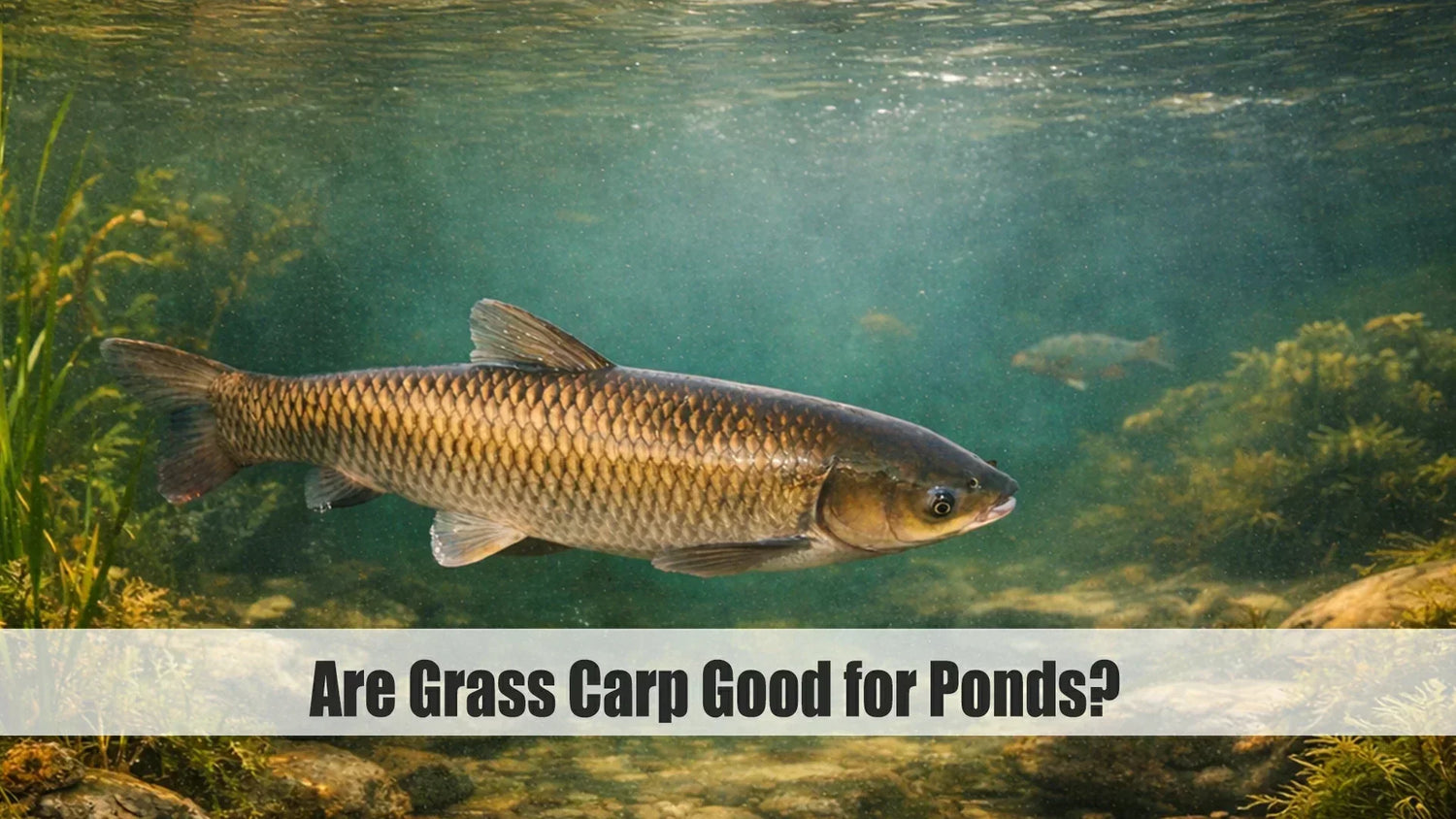
Most pond owners consider adding grass carp when faced with overgrown plants or invasive vegetation. These fish are known for their voracious appetites and ability to clean up thick plant overgrowth, but is it really a good choice for a backyard pond? It would be important to understand their behaviors, what they eat, and how they impact the overall ecology of a pond before making that decision.
Healthy ponds depend on a balanced environment with steady water movement, strong oxygen levels, and good filtration. Many homeowners achieve this using Poposoap solar fountains, pond filters, and waterfall kits, which are designed to maintain the conditions these fish, plants, and microorganisms need to keep them healthy and prospering.
This article examines whether grass carp are suitable for ponds, the various benefits that come with using them, any potential problems, and responsible management considerations.
Introduction - Why People Add Grass Carp to Their Ponds
Grass carp are typically stocked for one reason in ponds: to control vegetation. That they can consume large quantities of aquatic plants makes them attractive for the pond owner who faces:
- Vegetation overgrowth accession
- Invasive vegetation
- Shallow ponds susceptible to weed accumulation
Grass carp can be very effective at controlling vegetation, but they are not a silver bullet. It is essential to understand their biology and feeding habits and the long-term effect on your pond ecosystem before adding them.
What Are Grass Carp?

Grass carp are herbivorous freshwater fish native to East Asia. They show rapid growth, adapt easily to different pond types, and can reach impressive sizes, often over 20-30 inches in mature ponds.
They have become a very common tool for landowners to use in taking care of unwanted vegetation on private small ponds and larger agricultural or recreational ponds. But, because they grow large and eat vegetation so aggressively, they must be carefully managed to avoid ecological imbalance.
What do grass carp eat?
Many pond owners have asked a common question: What does grass carp eat?
- Grass carp mainly eat:
- Submerged aquatic plants
- Floating vegetation
- Soft grasses and algae
- Young water lilies
- Pondweed and hydrilla
They favor tender plants but, if food becomes scarce, will consume a wide range of vegetation. Plants in ponds with effective water circulation-supplemented by solar pumps and waterfall kits-often become quite robust, thereby giving grass carp dependable, natural food sources.
Because grass carp feed heavily, they are capable of reducing plant biomass considerably in a short time.
Benefits of Having Grass Carp in a Pond
When managed properly, grass carp can provide clear advantages:
- Weed Control Naturally
- Their hearty appetites help control thick vegetation and slow the spread of invasive plants.
- Diminished Use of Chemicals
- Grass carp are an environmentally friendly alternative to herbicides.
- Improved Water Flow
- Grass carp can reduce stagnant pockets of water by thinning out overgrown plants.
- Economical Maintenance
- Once introduced, they require little ongoing care.
Grass carp are especially useful in ponds already featuring natural water movement from solar fountains or waterfall kits, as proper circulation supports both fish health and overall pond balance.
Potential Problems with Grass Carp
Despite some of their advantages, grass carp create problems if not dealt with accordingly:
- Over-grazing
- Grass carp may remove too many plants, leaving ponds barren and reducing oxygen produced by vegetation.
- Habitat destruction
- Plants give shelter to fish and insects; thus, the removal of too much vegetation alters biodiversity.
- High Growth Rate
- Grass carp are fast growers, and large individuals may over-consume available food.
- Limited Selectivity
- They can eat desirable plants along with the unwanted ones.
- Escape Risk
- Grass carp can spread downstream in natural streams or a series of connected ponds and affect larger ecosystems.
A balanced pond is a pond where water movement, filtration, and vegetation all work in harmony with the aid of products such as pond filters and aeration systems. Without that balance, grass carp may inadvertently increase ecological stress.
Grass Carp vs Common Carp – What’s the Difference?
Understanding grass carp vs common carp helps to set expectations.

Grass Carp
- Mainly plant-eaters
- Long, torpedo-shaped bodies
- Reduce vegetation in ponds
- Normally docile
Common Carp
- Omnivores
- Root around the pond bottom
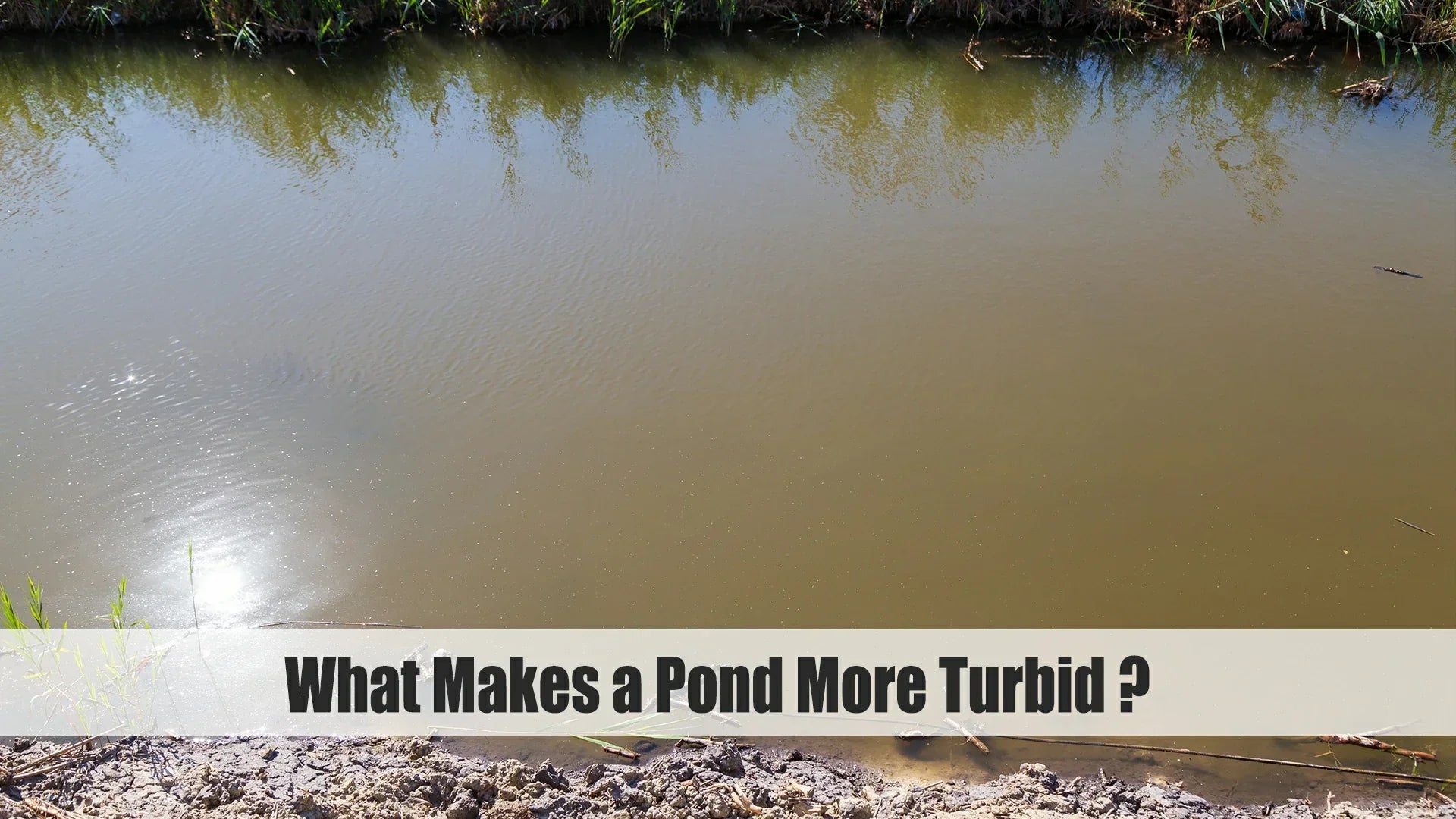
- Stir up sediment causing cloudy water
- May damage aquatic plants
| Feature | Grass Carp | Common Carp |
|---|---|---|
| Primary Purpose | Most effective for clearing submerged vegetation like hydrilla or pondweed. | High yields for food and a resilient choice for beginners or aquaponics. |
| Stocking Needs | Low Density: Usually only 3–10 fish per acre to prevent total vegetation loss. | High Density: Suitable for intensive polyculture; can be stocked at much higher rates than grass carp. |
| Dietary Habits | Primarily herbivorous; consumes vast amounts of aquatic vegetation. | Omnivorous bottom-feeder; eats insects, mollusks, and detritus. |
| Feeding Style | Surface and mid-water feeder; grazes on plants. | Bottom-feeder; roots through mud, often making water turbid. |
| Max Size | Can reach 5–6 feet and over 90 lbs. | Typically reaches 2–4 feet and up to 80 lbs. |
Whereas common carp often create dirty or turbid water, grass carp do not root through the bed of the pond. Instead, they feed on surface and mid-water plants. For those ponds focused on clarity that have solar fountains or waterfall systems, grass carp are often the better option.
Best Management Practices for Grass Carp in Ponds

Grass carp require proper management when chosen for ponds.
- Store Carefully
- Introduce only the number recommended for your pond size. This is typically one to two fish per quarter-acre for most vegetation patterns.
- Keep the Water Moving
- Large fish require good levels of oxygen. Oxygenation can be consistently maintained with solar fountains, pond filters, and waterfall kits.
- Retain Some Vegetation
- Leaving some plant life ensures the stability of this habitat and a healthy biodiversity.
- Provide Shade and Deep Zones
- In hot summer months, grass carp prefer shady areas or deeper water.
- Seasonal Plant Level Monitoring
- Vegetation scarcity may sometimes call for supplementary feeding or partial removal of the grass carp.
How to Control or Remove Grass Carp (If Needed)
If grass carp overconsume plants or disrupt balance, consider the following approaches:
- Reduce Numbers Gradually
- Selective removal helps in restoring vegetation levels.
- Add More Plants
- Fast-growing species like water lettuce or hornwort will serve to rebalance the diet.
- Enhance Filtration and Circulation
- Better water quality helps strengthen plant regrowth and stabilizes the ecosystem.
- Use Barriers or Screens
- Prevent fish from reaching your plants' sensitive parts.
- Contact Local Wildlife Authorities
- In large ponds, removal may require guidance or permits depending on your region.
Conclusion - Are Grass Carp the Right Choice for Your Pond?
Grass carp are exceptionally valued for those owners burdened by excess vegetation, as this fish will affect natural, chemical-free plant control. However, they must be managed in a thoughtful way to avoid overgrazing or ecological imbalance.
With appropriate water conditions-with the help of circulation, filtration, and oxygenation tools such as Poposoap solar fountains, pond filters, and waterfall kits-grass carp can fit well within a healthy pond system. Consider your pond's size, plant levels, and long-term ecological goals before introducing them. When used responsibly, grass carp offer both practical and ecological benefits that can help your pond thrive.
READ MORE: Koi Carp Pond Ideas for a Beautiful and Functional Outdoor Space

40W 660GPH Electric Waterfall Pump Kit with 8"x4.3" Spillway
$119.99
Create stunning waterfalls with this 40W 660GPH pond waterfall kit. Perfect for small ponds & backyard water features. Durable, efficient & easy to install.
FAQs About Grass Carp for Backyard Ponds
Grass carp are primarily added to ponds for natural vegetation control. They are used to tackle vegetation overgrowth, invasive aquatic plants, and weed accumulation—especially in shallow ponds where weeds tend to thrive rapidly.
Grass carp are herbivorous and feed heavily on aquatic vegetation, including: submerged aquatic plants, floating vegetation, soft grasses and algae, young water lilies, as well as pondweed and hydrilla. If food becomes scarce, they will also consume a wider range of available vegetation.

Hinterlasse einen Kommentar
Alle Kommentare werden vor der Veröffentlichung geprüft.
Diese Website ist durch hCaptcha geschützt und es gelten die allgemeinen Geschäftsbedingungen und Datenschutzbestimmungen von hCaptcha.